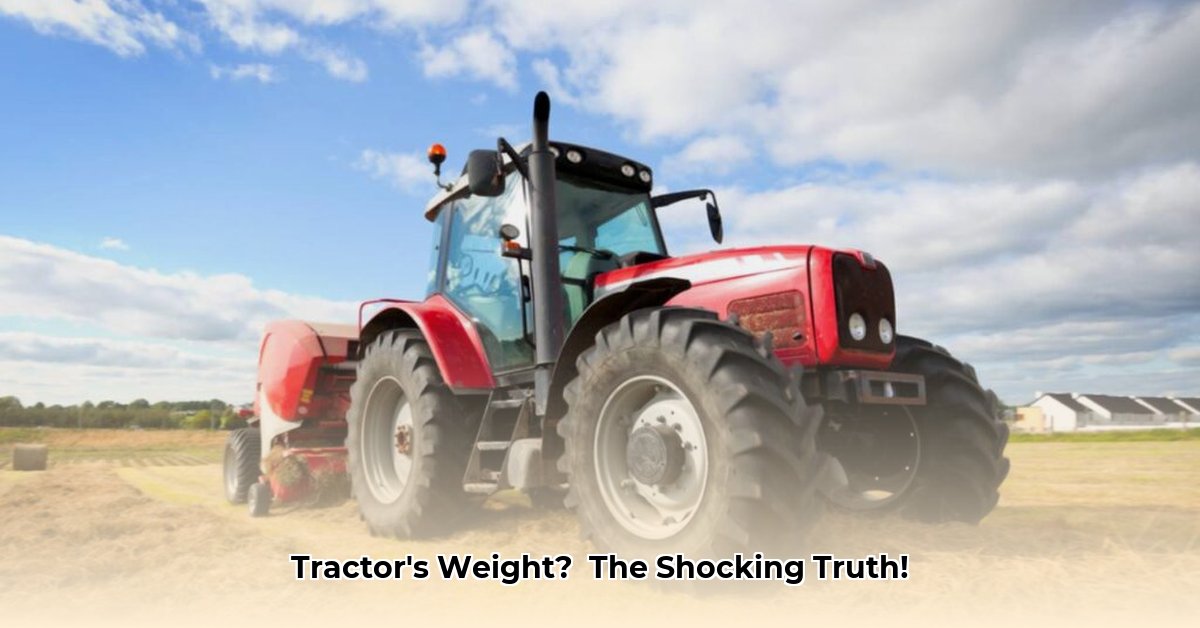
How Many Pounds is a Tractor Full?
The weight of a "full" tractor isn't a simple answer; it significantly impacts your farm's sustainability and profitability. It's not solely about the pounds on the scale, but the interplay of tractor type, soil conditions, and intended operations. This guide explores these factors to help you choose the optimal tractor weight for your farm. For more information on financing options, check out our tractor financing guide.
Factors Affecting Tractor Weight and Its Impact
Many factors influence a tractor's overall weight and its subsequent effects on your land.
- Base Tractor Weight: Smaller tractors designed for light tasks weigh considerably less than large combines used for harvesting. This base weight forms the foundation for all subsequent weight additions.
- Fuel: A full fuel tank adds substantial weight, fluctuating throughout the workday as fuel is consumed. This dynamic weight consideration is crucial for efficient operation.
- Implements: Attached implements – plows, harrows, seed drills, sprayers – significantly increase the total weight. Consider this like a pickup truck: empty it’s light; loaded, it’s considerably heavier.
- Soil Conditions: Soil type is paramount. Heavy, wet clay soils are more susceptible to compaction from heavy machinery compared to lighter, sandier soils. Compaction affects water drainage and root growth.
- Operational Tasks: Are you tilling heavy clay or planting delicate seedlings? Choosing the right tractor weight minimizes soil damage. Lighter tractors are suitable for delicate crops, while heavier ones are necessary for intensive plowing.
Weighing the Options: Heavy vs. Light Tractors
Heavy-duty tractors offer stability and traction, particularly in challenging terrain or with heavy loads. However, they consume more fuel, compact soil (compromising yields), and increase repair/maintenance costs. Conversely, lighter tractors are more fuel-efficient and gentler on the soil, minimizing compaction and promoting healthy plant growth. However, they might lack power for demanding tasks.
Choosing the Right Tractor Weight: A Step-by-Step Guide
Selecting the right tractor weight requires careful consideration. Follow these steps:
- Assess Your Farm: Evaluate farm size, soil types (sandy, clay, loamy), typical tasks (planting, plowing, harvesting), and average rainfall. This foundational assessment informs all subsequent decisions.
- Budget Accordingly: Heavy-duty tractors involve significant upfront costs and ongoing expenses related to fuel consumption, maintenance, and repairs.
- Seek Expert Advice: Consult experienced farmers and equipment dealers. Their insights and knowledge can be invaluable in making an informed decision. Local agricultural extension services are another excellent resource.
- Test Before You Invest: If feasible, rent or demo different tractors to assess their performance in your specific conditions. This hands-on experience is irreplaceable.
Sustainable Practices in Tractor Usage
Beyond tractor weight, sustainable farming practices are crucial:
- Precision Farming: GPS-guided equipment and variable-rate technology optimize machinery use, minimizing overlaps, reducing fuel consumption, and lessening soil compaction.
- Tire Management: Proper tire inflation is essential. Under-inflation leads to compaction, whereas over-inflation damages tires and soil. Maintain the correct tire pressure for your specific soil conditions and tractor weight.
- Soil Health Monitoring: Regular soil tests identify issues early, guiding choices regarding tillage, fertilizer application, and crop rotations. Addressing compaction requires alternative tillage methods or lighter equipment.
Case Studies: Real-World Examples
Consider two contrasting farms:
- Farm A: Relies on a heavy tractor for all tasks, resulting in high fuel costs, significant soil compaction, and reduced long-term yields due to compromised soil health.
- Farm B: Utilizes a lighter tractor for most tasks and a heavier one only when necessary. This approach lowers fuel costs, minimizes compaction, and improves long-term yields. They also invest in soil health monitoring and precision farming.
Conclusion: Sustainable Farming Through Smart Tractor Choices
Choosing the right tractor weight is crucial for sustainable and profitable farming. It involves understanding the long-term impact on soil health, budget, and the environment. By carefully weighing options and integrating sustainable practices, you can improve farm efficiency, protect the environment, and increase profitability.
Resources & Further Reading
Your local agricultural extension office, university agricultural departments, and equipment manufacturers offer valuable information and support. The USDA and NRCS websites are also excellent resources for sustainable farming practices.